History
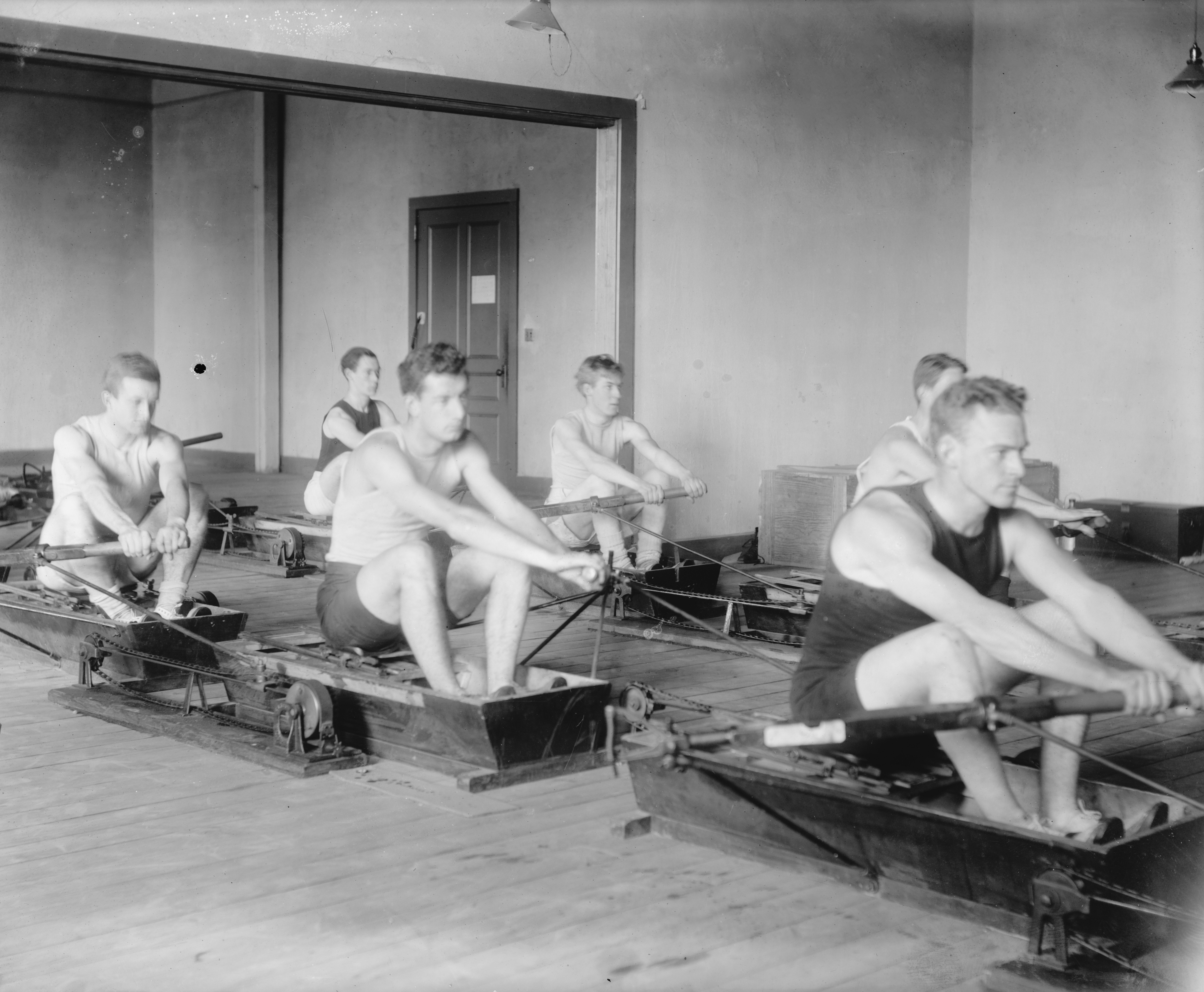
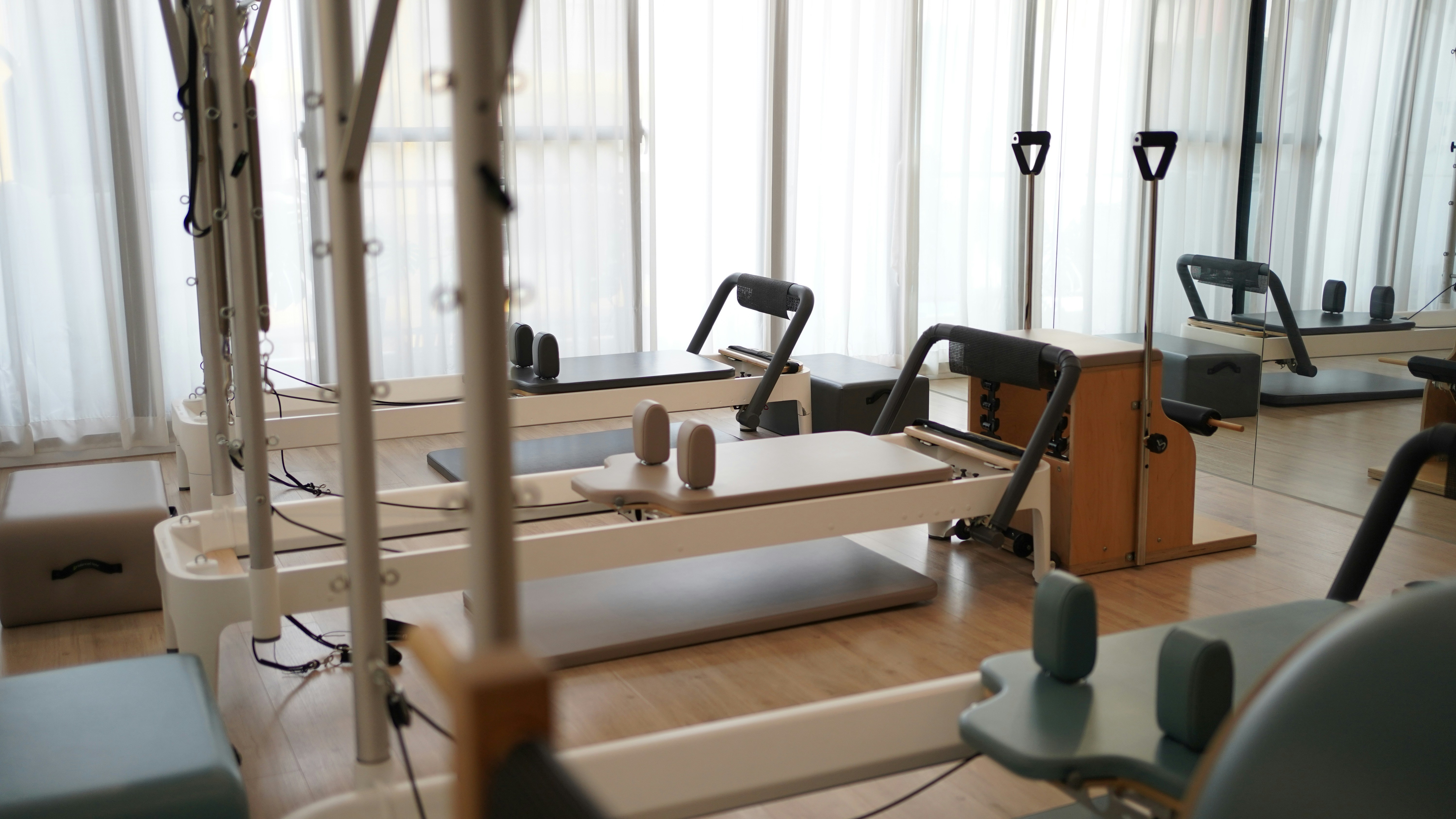
The history of Pilates is a tale of innovation, resilience, and holistic health practices. Developed by Joseph Pilates in the early 20th century, this exercise system has grown from humble beginnings into a global phenomenon embraced by millions seeking physical fitness, rehabilitation, and mind-body balance. Joseph Hubertus Pilates was born in Germany in 1883. He was a sickly child who suffered from asthma, rickets, and rheumatic fever. Determined to overcome his frailty, he delved into various forms of exercise and bodybuilding, drawing inspiration from gymnastics, yoga, martial arts, and ancient Greek and Roman physical regimens. This eclectic mix of influences laid the foundation for what would become the Pilates method. During World War I, Pilates found himself interned in a British camp due to his German nationality. There, he began refining his exercise system, using improvised equipment made from bed springs and other materials to help rehabilitate injured soldiers. His method proved remarkably effective, and it caught the attention of medical professionals, who recognized its potential for rehabilitation and physical conditioning. After the war, Pilates immigrated to the United States, settling in New York City in the 1920s. Alongside his wife Clara, he opened a studio where he taught his method, which he initially called "Contrology." The method emphasized controlled movements, precision, breath control, and the integration of mind and body. It aimed to develop strength, flexibility, and endurance without building bulk, making it suitable for people of all ages and fitness levels. Pilates attracted a diverse clientele, including dancers, athletes, and performers, who found that the method improved their performance and helped prevent injuries. Among his notable students were dancers George Balanchine and Martha Graham, who incorporated Pilates exercises into their training routines. Despite initial skepticism from the mainstream fitness community, Pilates steadily gained recognition and popularity over the decades, thanks in part to endorsements from celebrities and athletes. In the latter half of the 20th century, Pilates studios began proliferating worldwide, and the method became an integral part of fitness programs in gyms, rehabilitation centers, and sports training facilities. In the 21st century, Pilates continues to evolve and adapt to modern needs and trends. Variations such as mat Pilates, equipment-based Pilates (utilizing apparatus such as the reformer, cadillac, and chair), and specialized applications for specific populations have emerged, expanding the accessibility and versatility of the method. Today, Pilates is celebrated not only for its physical benefits but also for its emphasis on mindful movement, alignment, and holistic well-being. It remains a cornerstone of the fitness industry, valued for its effectiveness, safety, and longevity. Joseph Pilates' legacy endures as his method continues to inspire and empower people around the world to achieve healthier, more balanced lives.